Chrononutrition: Why When You Eat Matters as Much as What You Eat

In our fast-paced lives, we often focus on what we eat—counting calories, choosing organic produce, or following specific diets. But emerging research in the field of chrononutrition reveals that when we eat may be just as crucial as what we eat. Chrononutrition explores how the timing of meals interacts with our body’s circadian rhythms—the internal clock that governs sleep, hormone production, digestion, and energy levels.
Aligning our eating habits with these natural rhythms can significantly improve mood, energy, sleep quality, and overall well-being. Here’s how you can apply chrononutrition principles in your daily life.
1. Meal Timing and Mental Health

Eating at irregular times—especially skipping meals or eating late at night—can disrupt blood sugar levels and hormone regulation, both of which are closely tied to mood stability.
✅ Try This:
Timely meals throughout the day help maintain consistent blood sugar and cortisol levels, which can reduce symptoms of anxiety and depression.
For example, starting your day with a balanced breakfast that includes complex carbohydrates (like oats or whole grain toast), protein (such as tofu scramble or nut butter), and healthy fats (like avocado) can support serotonin production, a key neurotransmitter for mood regulation.
Avoid long gaps between meals. If you tend to feel irritable or anxious in the afternoon, a mid-morning snack like a banana with almond butter or a handful of walnuts can help stabilize your energy and mood.
2. Sleep Quality and Evening Eating Habits

Late-night eating can interfere with melatonin production, the hormone that regulates sleep, and slow digestion, leading to restless nights.
✅ Try This:
Set a cut-off time for eating—ideally 2–3 hours before bedtime. This allows your body to wind down and focus on rest rather than digestion.
Eat lighter dinners: Opt for meals like a quinoa salad with roasted vegetables or a lentil soup. Heavy meals high in fat or sugar can cause nighttime glucose spikes, disrupting sleep cycles.
Align food intake with your body’s natural wind-down process. For instance, if you typically sleep at 10 PM, aim to finish dinner by 7 PM.
3. Energy and Productivity Boosts

Chrononutrition encourages front-loading calories earlier in the day. Breakfast and lunch should be your “power meals,” fueling your body when it’s most active.
✅ Try This:
Make lunch your largest meal. A hearty midday meal—like a grain bowl with brown rice, chickpeas, greens, and tahini dressing—can sustain energy and prevent the afternoon slump.
Skipping breakfast can lead to sluggishness and poor concentration. Even a small meal like a smoothie with spinach, banana, and plant-based protein can make a big difference.
Eating earlier in the day supports efficient digestion and helps maintain stable energy levels, enhancing focus during peak productivity hours (typically mid-morning to early afternoon).
4. Managing Anxiety and Fatigue with Purposeful Snacking
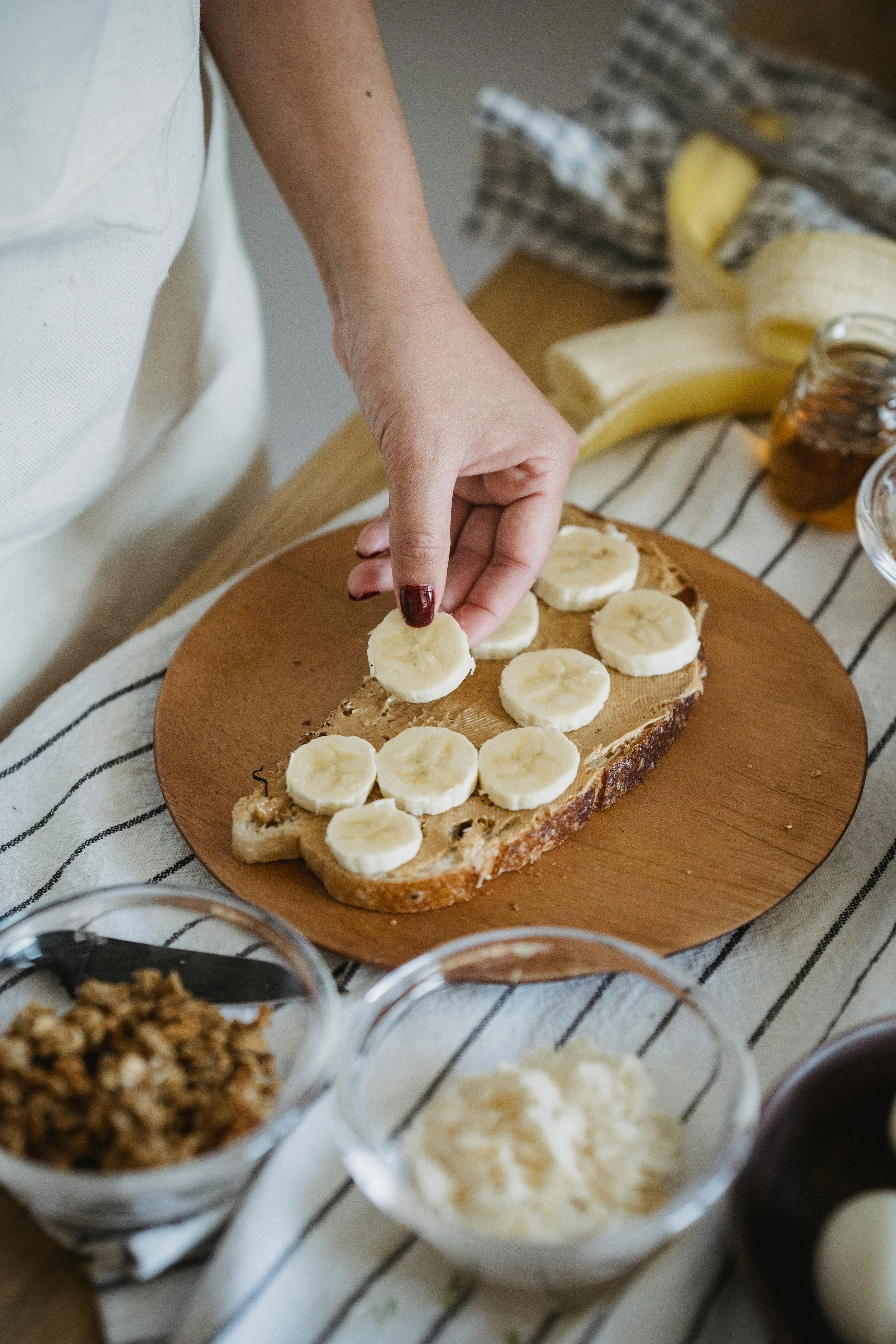
Snacking isn’t just about curbing hunger—it’s an opportunity to support your mental and physical health.
✅ Try This:
Keep snacks consistent and purposeful. Choose options that combine protein, fiber, and healthy fats to avoid blood sugar crashes. Examples include hummus with veggie sticks, trail mix with seeds and dried fruit, or a small bowl of edamame.
If you’re prone to afternoon fatigue, a snack around 3 PM can help you stay alert and focused without relying on caffeine.
Putting It All Together: A Sample Chrononutrition Day
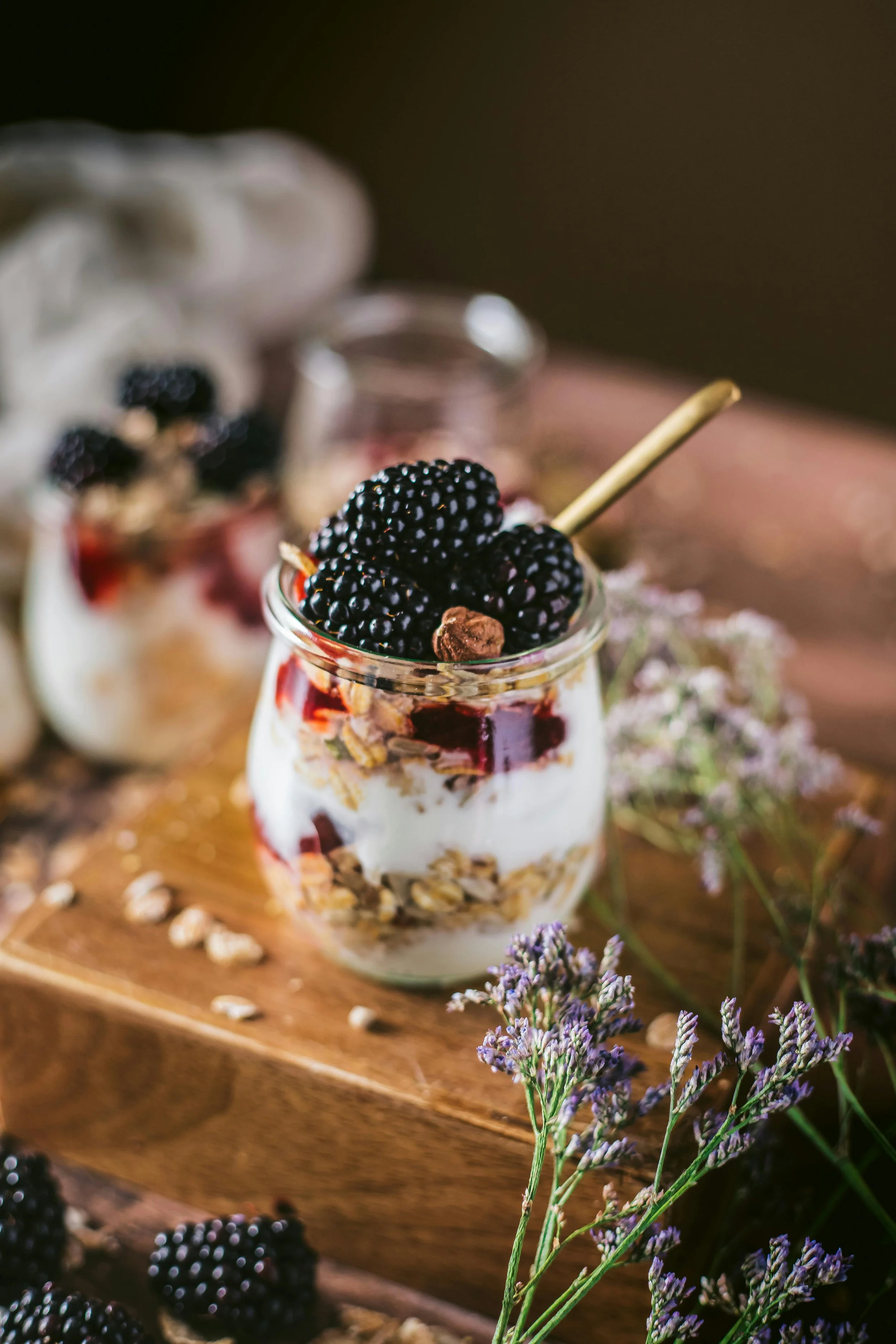
7:30 AM – Breakfast: Overnight oats with chia seeds, berries, and almond milk.
10:30 AM – Snack: Apple slices with peanut butter.
12:30 PM – Lunch (largest meal): Lentil stew, quinoa, sautéed greens, and a side of fruit.
4:00 PM – Snack: Handful of almonds and a piece of dark chocolate.
6:30 PM – Dinner (light): Zucchini noodles with marinara and grilled tofu.
Final Thoughts
Chrononutrition isn’t about restriction—it’s about rhythm. By syncing your meals with your body’s natural clock, you can experience better sleep, improved mood, and sustained energy throughout the day. Start small: shift your largest meal to lunchtime, avoid late-night snacking, and notice how your body responds.